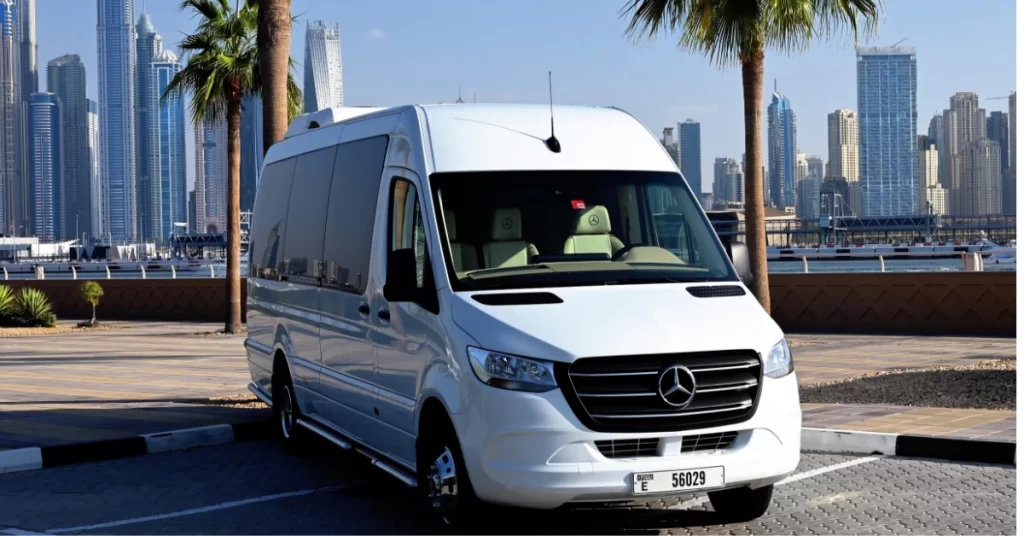
An American visitor lands at Dubai International, joins the rental queue, and hands over a U.S. license, only to be told the company also wants an International Driving Permit. Two days later a speed camera flashes on Sheikh Zayed Road, and the fine reaches the rental desk before the trip even ends. Small gaps like these turn a relaxed holiday into paperwork, extra charges, and lost time at the counter.
Ten recurring mistakes account for most of the trouble American tourists run into with UAE rental cars, covering everything from license rules and insurance gaps to Salik tolls and parking apps. Every one of them is easy to sidestep once you know it exists, and working through them before pickup keeps your deposit intact and your itinerary on schedule.
Why Do American Tourists Rent Cars in the UAE?
Most US visitors rent a car for independence, comfort, and roads that already feel familiar, since public transport rarely reaches desert resorts, quiet beaches, or late night dinner spots.
- Freedom on your own schedule: Desert resorts, coastal drives, and day trips into neighboring emirates run on your timing instead of a tour operator’s.
- A private, air conditioned ride: Families and couples keep luggage and shopping bags close while staying cool between stops during the summer heat.
- Wide, well marked roads: Multi lane highways, bilingual signage, and dependable GPS coverage feel close to driving a US expressway.
- A taste of luxury: Mercedes, BMW, and sports car rentals are common across Dubai, and many visitors treat the drive itself as part of the holiday.
What Should US Visitors Check Before Booking a Rental Car?
Check four things before booking: whether your U.S. license satisfies that specific rental company, how reliable the company is, what age and deposit rules apply, and how local driving habits differ from home.
Driver License and IDP Requirements
A valid U.S. license usually lets tourists drive in the UAE, yet many agencies still ask for an International Driving Permit alongside it. Apply through an automobile association before you fly, since processing takes only a day or two and costs little. UAE law also expects drivers to carry both passport and license at all times. Requirements shift slightly between emirates and vehicle classes, so ask the agency to confirm its own policy in writing before pickup.
Age and Deposit Rules
Age limits and deposits catch out more visitors than the license itself, and the payment card you present matters as much as your ID.
- Minimum age: The legal driving age is 18, yet most companies ask for 21 on standard cars and 25 on luxury or performance models.
- Security deposit: Expect a hold of several hundred to several thousand dirhams, depending on the vehicle class booked.
- Payment card: A credit card in the main driver’s name is normally required, and debit cards are often refused outright.
Choosing a Reliable Rental Company
A dependable provider saves more money over a trip than a cheap one. Run through this short screen before handing over a deposit.
- Read recent reviews from international renters, not just the overall star rating.
- Ask for a full price breakdown covering deposit, mileage limits, and insurance.
- Confirm Salik tracking, 24/7 roadside support, and flexible drop off points.
- Treat a daily rate far below the market average as a warning sign for hidden fees.
Understanding Local Driving Culture
Driving in the UAE feels different from home even on wide, modern roads. The left lane is reserved for overtaking, roundabouts appear often, and tailgating is more common than most Americans expect. Cameras cover highways and city streets alike, so speed limits deserve attention from the first minute on the road. Learning these habits before pickup lowers stress and prevents fines for mistakes drivers did not realize they were making.
Which Paperwork and Cost Mistakes Hurt US Tourists Most?
Five money related mistakes cause most rental disputes: trusting a U.S. license alone, skipping insurance, overlooking tolls and fuel terms, booking too late, and skipping the vehicle inspection.
Mistake 1: Relying on a U.S. License Without an IDP
Some UAE agencies accept a U.S. license on its own, while others treat an International Driving Permit as required verification. Tourists who assume the license is enough sometimes get turned away at the counter or charged extra to proceed anyway. Even where the law does not demand the permit, it speeds up pickup and smooths any roadside check along the way. The document is cheap, quick to obtain, and easy to pack, which makes skipping it a poor trade for the small effort involved.
Mistake 2: Skipping Insurance or Trusting Home Coverage
Most US auto policies and credit card benefits stop at the border and do not extend to rentals in the Middle East. Declining optional cover to save a few dirhams can leave a visitor personally paying for repairs or liability after even a minor accident. Reading this UAE rental insurance guide before booking makes the choices at the counter far clearer.
Three questions are worth asking directly:
- What does the base rate cover, and what excess applies?
- Is a collision damage waiver included or offered separately?
- Does the deposit rise for premium or performance models?
Mistake 3: Ignoring Salik Tolls and Fuel Policies
Dubai runs Salik, an electronic toll system, and rental cars are normally registered on it automatically. Charges come out of the deposit or land on the final invoice, which surprises tourists who never asked how billing works in the first place. Fuel terms vary too, so clarify these points before leaving the lot.
- Full to full: Return the tank full, or pay a refueling fee that often beats pump prices.
- Prepaid fuel: Convenient, but you pay for fuel you may never use.
- Toll billing: Ask whether Salik comes off the deposit or arrives as a separate invoice. On a longer stay, learning how to recharge Salik yourself avoids running the balance dry mid trip.
Mistake 4: Waiting Until Arrival to Book
Booking at the airport counter feels flexible, but it usually brings higher prices, fewer models, and longer waits, and counters can sell out completely during peak weeks. Reserve online before flying, compare terms across agencies, and look for web discounts that walk in customers rarely see advertised.
Travelers who would rather skip the counter after a long flight can arrange an Al Ain airport transfer instead and collect a rental car later once jet lag has passed.
Mistake 5: Driving Off Without an Inspection
Excited tourists often grab the keys and go, then get billed later for scratches they never caused. Spend five minutes on this routine first.
- Photograph or film every side of the car, plus the wheels, roof, and interior.
- Make sure the agent records any existing damage directly on the rental contract.
- Note the fuel level and mileage on the handover sheet before driving off.
- Test the lights, air conditioning, and tyre condition while still parked at the lot.
Which Road and Rule Mistakes Lead to Fines?
Five habits cause most road trouble for US visitors: skipping traffic rules, choosing the wrong vehicle, misusing parking systems, driving without navigation data, and missing local etiquette.
Mistake 6: Not Learning Traffic Rules and Speed Cameras
UAE enforcement is strict and largely automated. Cameras record speeding, and fines follow the car back to the rental company, which passes them on with a processing charge added. Unpaid fines can also complicate departure from the country entirely. Stay within posted limits, watch for changing speed signs on highways, and give roundabouts and pedestrian crossings full attention at every approach. Drivers used to a few miles per hour of leeway at home should not expect the same tolerance here.
Mistake 7: Booking the Wrong Vehicle for the Terrain
Large SUVs feel natural to many Americans, yet they are awkward inside tight Dubai parking structures. A low sports car, meanwhile, struggles on rough approach roads leading to desert camps. Match the car to the route instead of habit.
- City stays: A compact or midsize sedan parks easily and burns less fuel in dense traffic.
- Desert or mountain trips: A full size 4×4 such as a Toyota Land Cruiser rental handles sand, gravel, and steep roads with far more confidence.
- Mixed itineraries: Book the class that suits the hardest leg of the trip, or arrange a swap partway through.
Mistake 8: Misunderstanding Parking Rules and Apps
Parking is paid and strictly enforced across Dubai and Abu Dhabi. Dubai relies on RTA payments through SMS or its app, while Abu Dhabi uses Mawaqif, and a missed payment can trigger an instant fine. Free zones are often time limited, and malls or hotels may require ticket validation before you leave the building. Download the local app on day one, and ask your hotel which nearby zones are paid and which are not.
Mistake 9: Driving Without Data or Offline Maps
Google Maps and Apple Maps go quiet without data, and roaming can be costly or patchy across the country. Getting lost near a remote resort with the fuel light on is a poor way to start a holiday. Prepare in advance instead.
- Buy a local SIM or eSIM before the first drive of the trip.
- Download offline maps for every emirate on the itinerary.
- Ask about a built in GPS, which some agencies offer for a daily fee.
Mistake 10: Missing Local Driving Etiquette
Etiquette carries as much weight as the written rules on UAE roads. A few habits explain most misunderstandings between visitors and local drivers.
- Headlight flashes: Usually a polite request to move over, not aggression.
- Horn use: Constant honking or rude gestures can lead to police action.
- Lane discipline: Keep out of the left lane unless you are actively overtaking.
- Zero tolerance: Any trace of alcohol before driving is treated as an offense.
Staying calm and driving defensively keeps everyone on the road comfortable, including the driver behind the wheel.
How Do You Prepare for a Smooth Pickup?
Arrive with documents ready and a few questions already answered, and the counter conversation takes minutes instead of an hour.
- Bring the full document set: Passport, U.S. license, IDP, a credit card in the driver’s name, and digital copies saved on your phone.
- Confirm the booking in writing: Check the model class, mileage limit, and drop off point before you travel.
- Ask about the deposit: Learn the amount, the hold period, and how quickly it returns after the final inspection.
- Check emirate coverage: Make sure the agreement allows inter emirate driving and includes roadside help in remote areas.
- Save the support number: Keep the 24/7 line handy in case of a breakdown or accident.
Why Do Some Visitors Choose a Chauffeur Instead of Renting?
For short stays, business trips, or visitors unsure about UAE rules, a chauffeur removes licensing, insurance, tolls, parking, and fines from the equation in a single booking.
No License, IDP, or Insurance Worries
A locally licensed driver satisfies every requirement automatically. Coverage sits under the provider’s own commercial policy rather than a home policy that may not apply abroad, so no gap opens between what a visitor assumed and what they have on the day.
No Tolls, Parking, or Camera Fines
Salik, RTA parking, Mawaqif zones, and speed limits all become the driver’s responsibility instead of the passenger’s. Nothing surprising shows up on a deposit statement after flying home.
Vehicles Matched to the Trip
Sedans suit solo business days, SUVs suit families and desert routes, and vans suit larger groups. That choice is made at booking, not at a crowded counter with whatever car happens to be left.
A Reliable Option Across the Emirates
Visitors touring beyond Dubai often want the same reliability elsewhere, and a Sharjah chauffeur service covers that stretch of the trip without a second rental agreement. Those planning a stay near the capital can look at Abu Dhabi driver rental instead, keeping one driver and one vehicle for the whole visit.
Comfort From the Moment You Land
After a long flight, a visitor steps from arrivals into a rested seat instead of a paperwork line. Anyone who wants the whole trip handled can book a chauffeur ride and describe the itinerary just once.
Questions About Renting a Car in the UAE as an American Tourist
Do I need an IDP if I have a U.S. license?
Not every rental company requires one, but many ask for it as an added check. Carrying an IDP prevents delays at pickup and during roadside stops, and it costs very little compared with a booking that gets refused.
Are Salik toll charges included in the rental price?
Usually not. Tolls are tracked electronically and either deducted from your deposit or added to the final invoice. Ask the agency which method applies before you leave the lot with the keys.
Can I use my U.S. car insurance in the UAE?
In most cases no. Domestic auto policies and credit card protection tend to exclude international rentals, particularly across the Middle East. Buying cover through the rental company remains the safer route to full protection on the road.
Is parking easy for tourists in Dubai and Abu Dhabi?
It is straightforward once the right apps are installed. RTA covers Dubai and Mawaqif covers Abu Dhabi, and both let visitors check rates and pay from a phone without hunting for coins or paper tickets.
Is it easy for Americans to drive in the UAE?
Yes. Roads are modern, signs appear in English and Arabic, and highways feel familiar to most US drivers. Strict enforcement means speed limits, lane rules, and roundabouts deserve attention, but prepared visitors adapt within a day or two.
Conclusion
Renting a car in the UAE rewards visitors who prepare ahead of time. Nearly every problem traces back to the same ten slips: no IDP, thin insurance, missed toll and fuel terms, late booking, no inspection, ignored traffic rules, the wrong vehicle, confusing parking, no navigation data, and unfamiliar etiquette.
Ask direct questions at pickup, keep documents within reach, and match the vehicle to the route ahead. For visitors who would rather skip the checklist entirely, call the team at +971 50 785 2656 and describe the plan; they will arrange the right driver and car for the trip.