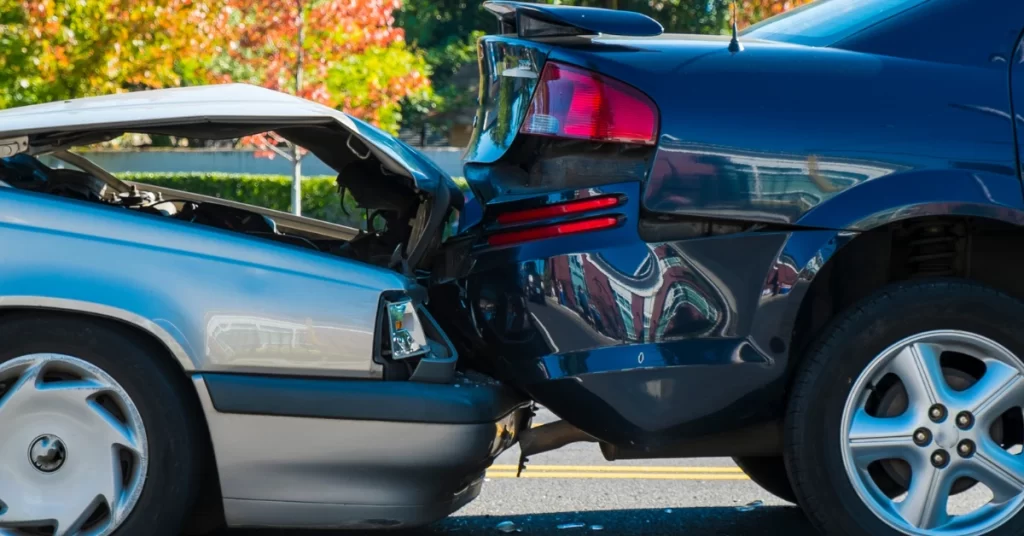
GITEX week alone can add forty minutes to a trip along Sheikh Zayed Road that normally takes fifteen. Layer in the Dubai World Cup, a trade fair at DWTC, or race weekend at Yas Marina, and entire stretches of Dubai and Abu Dhabi slow to a crawl right when delegates and attendees most need to be somewhere on time.
None of this is unpredictable once you know the pattern. Chauffeurs who track event calendars alongside live traffic data build routes around the congestion before it happens, which is exactly why travelers who book a Dubai chauffeur ahead of the rush rarely feel the same delays everyone else does.
Why Does Traffic Spike So Much During UAE Peak Season?
Traffic spikes because major exhibitions, sporting events, and festivals all draw large crowds into the same few months, concentrating tourists, delegates, and media onto the same handful of roads connecting hotels to venues.
International draws like GITEX Global and the Dubai Shopping Festival pull thousands of attendees into the city within the same short window, while sporting fixtures such as the Formula 1 Abu Dhabi Grand Prix and the Dubai World Cup add another wave of visitors moving between hotels and venues. Both cities end up managing several major crowds at once rather than one event at a time.
The roads most affected are predictable once you know where the venues sit. Sheikh Zayed Road, Downtown Dubai, and the corridors near Dubai and Abu Dhabi’s airports absorb most of the extra volume, since nearly every event-goer eventually passes through one of these routes on the way to a hotel, meeting, or flight.
Weekends inside an event window make the pattern even more pronounced. A Friday or Saturday during GITEX or a Formula 1 weekend combines the city’s usual leisure traffic with the event crowd, which is typically when travel times between hotels and venues stretch the longest.
Even short commutes feel the effect. A ten-minute drive that barely registers during a quiet month can stretch past twenty during an event week, simply because taxi demand rises, parking gets scarcer, and every driver on the road is trying to reach the same handful of destinations at once.
The timing of these events matters just as much as their size. Several major fixtures, GITEX in the autumn, the Dubai World Cup in the spring, and the Formula 1 weekend closing out the year, land close enough together that the calendar effectively strings together several high-traffic stretches back to back rather than one isolated busy week.
Businesses hosting international delegates during this window often underestimate how much the calendar itself, rather than any single day’s traffic, shapes the overall travel plan for a visit that spans more than a few days.
Which Areas See the Worst Congestion During Major Events?
Sheikh Zayed Road, Business Bay, Downtown Dubai, Dubai Marina, the Abu Dhabi Corniche, and Expo City Dubai see the heaviest event-driven congestion, each for a slightly different reason tied to what’s happening nearby.
- Sheikh Zayed Road near Dubai World Trade Centre during exhibitions
- Business Bay during corporate event hours and hotel check-ins
- Downtown Dubai on weekends and evening events near Burj Khalifa
- Dubai Marina in the evenings around JBR Walk and Marina Mall
- Abu Dhabi Corniche during conferences and embassy-related traffic
- Expo City Dubai during exhibition opening and closing hours
- Yas Marina Circuit area during Formula 1 race weekends
Smart Traffic Habits for Visitors and Business Travelers
A handful of habits, timing travel around rush hours, booking a chauffeur ahead of time, and tracking live traffic, cover most of what keeps a schedule intact during a major event week.
Travel Outside the Two Daily Rush Windows
Traffic in both Dubai and Abu Dhabi typically peaks between 8 and 10 in the morning and 5 to 8 in the evening. Scheduling transfers just outside these windows often cuts travel time noticeably, especially for airport pickups and drop-offs.
Book a Chauffeur Instead of Relying on Same-Day Taxis
A pre-booked driver already knows the event calendar and plans around it, while a same-day taxi search during a busy exhibition week often means longer waits and higher fares exactly when time matters most.
Let the Chauffeur Handle Route Planning
Local drivers default to side roads, business lanes, and hotel access paths that bypass the worst of Sheikh Zayed Road or Expo City congestion, adjustments a visiting driver or a generic map app wouldn’t necessarily choose.
Track Live Traffic Alongside the Chauffeur
Following RTA updates or a navigation app in parallel with the chauffeur’s own routing gives a second layer of visibility, useful for confirming timing before a meeting rather than just trusting the trip will work out.
Choose a Hotel Close to the Main Venue
Staying near Dubai World Trade Centre or Expo City cuts commute time dramatically during an event week, turning what would be a congested cross-city drive into a short, predictable transfer.
Confirm Pickup Points Before Each Leg of a Multi-Stop Day
Event days often involve several stops between a hotel, a conference hall, and an evening function, and confirming the exact pickup location for each leg in advance avoids losing time to confusion at a crowded entrance between appointments.
How Do Professional Chauffeurs Turn Peak-Season Traffic Into a Non-Issue?
Chauffeurs manage peak-season traffic through a combination of local route knowledge, live tracking technology, and constant coordination with dispatch, turning what looks like unavoidable gridlock into a manageable, plannable trip.
Deep Familiarity With Local Traffic Patterns
Drivers who work these routes daily know exactly which roads slow down first during an event and which side streets stay clear, letting them commit to a faster path before the main road even backs up.
Live GPS and Dispatch Coordination
Real-time traffic data feeds directly into route decisions, and communication with a dispatch team allows a chauffeur to reroute mid-trip rather than discovering a jam only after driving into it.
Flight and Event Schedule Monitoring
For airport and event pickups specifically, chauffeurs track flight status and event timing together, adjusting the pickup plan automatically rather than working from a fixed time that assumes nothing will shift.
A Calm, Professional Experience Regardless of Traffic
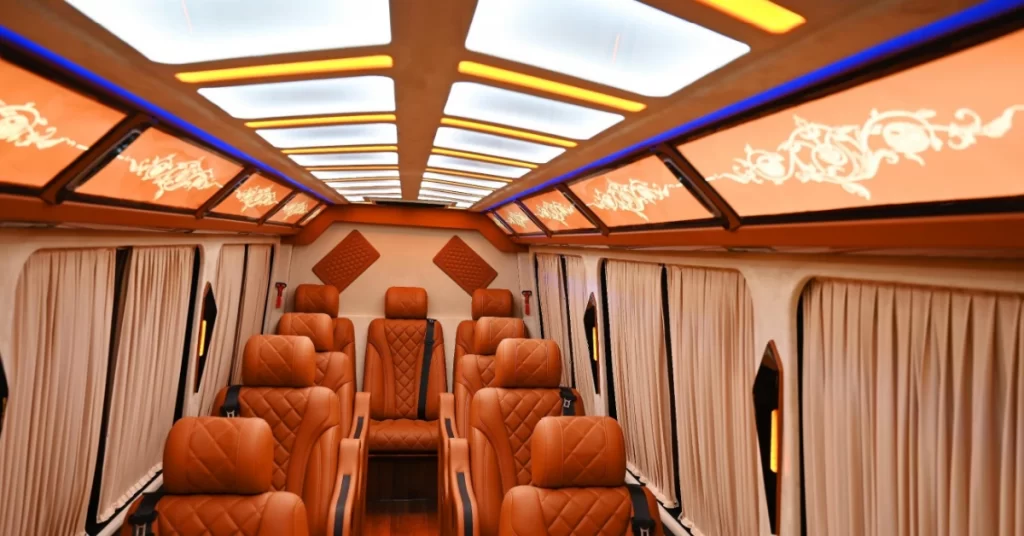
Beyond the driving itself, a well-trained chauffeur keeps the ride comfortable and quiet even when the roads outside are congested, giving passengers time to prepare for a meeting instead of watching the clock.
Backup Vehicles Ready if a Delay Compounds
A well-managed fleet keeps spare vehicles available during major events specifically, so a single delayed pickup doesn’t cascade into missed connections for the rest of that chauffeur’s schedule.
What Shortcuts Do Local Chauffeurs Rely On?
Chauffeurs lean on side roads near major venues, timing-based departures, and hotel access lanes to bypass the worst congestion, adjustments built from daily experience rather than a generic map app’s default route.
Side Roads Near Dubai World Trade Centre
Service lanes around the Trade Centre Roundabout often move faster than the main road during exhibition hours, a detour that saves real time without adding meaningful distance to the trip.
Al Khail Road as a Business Bay Connector
Routing through Al Khail Road instead of the most obvious main road often provides a faster path into Business Bay or Downtown Dubai during corporate event hours, when the direct route is at its most congested.
Hotel Access Roads Near Expo City and the Marina
Many hotels near major venues maintain private or semi-private access roads that bypass the public congestion outside, a shortcut only useful to drivers who already know these entrances exist.
Timing-Based Departures for Early and Late Transfers
Scheduling a transfer just before or after the two daily rush windows often does more to save time than any specific route choice, since traffic volume itself is the biggest variable during peak hours.
Parallel Streets Around Business Bay and the Marina
Running alongside the main commercial corridors, quieter parallel streets often carry a fraction of the traffic during peak hours, a detail that only becomes useful once a chauffeur has learned which of them connect through to the destination.
How Should Event Planners and Businesses Coordinate Group Transport?
Companies managing transport for delegates or event guests benefit most from booking early, staggering pickups, and keeping one clear communication channel open with the chauffeur team throughout the event.
- Coordinate transfers well ahead of the event: Booking early secures enough vehicles and lets chauffeurs map routes in advance, rather than scrambling to assign drivers once the event schedule is already underway.
- Stagger pickup times across the group: Spacing out pickups avoids a pile-up of vehicles at the same hotel entrance or venue drop-off point, which keeps the whole operation moving instead of creating its own bottleneck.
- Arrange event passes for chauffeurs where needed: A vehicle pass lets a chauffeur enter restricted zones without delay at security checkpoints, smoothing coordination for venues with tighter access control.
- Share full itineraries with the chauffeur team: Flight numbers, hotel details, and event timings given upfront let drivers adjust routes and timing proactively rather than reacting to last-minute changes.
- Keep one direct communication channel open: A single point of contact between planners and chauffeurs throughout a multi-day event avoids the confusion of scattered messages across different people and platforms.
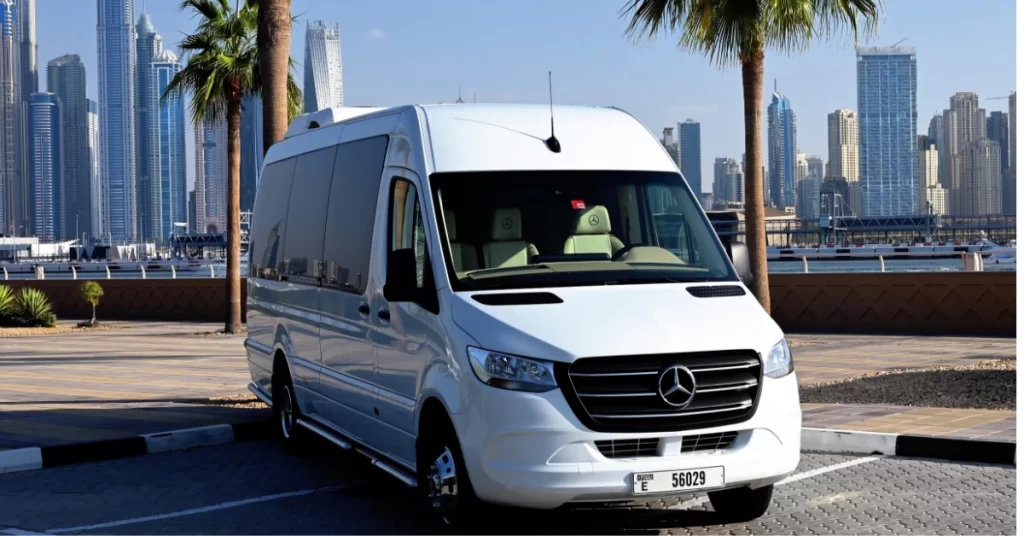
- Assign vehicles based on group size and purpose: A small executive team needs a different vehicle than a group of a dozen conference attendees, and matching the vehicle to the group avoids awkward last-minute reshuffling.
- Build in contingency time for weather or last-minute closures: An unexpected road closure or a sudden downpour can add delays even to a well-planned schedule, and a small time buffer absorbs that without cascading into missed sessions later in the day.
Which Apps and Tools Help Track Real-Time Traffic?
RTA Smart Drive, Google Maps, and Waze all provide real-time congestion data that complements, rather than replaces, a chauffeur’s own local route knowledge during a busy event week.
- RTA Smart Drive for official Dubai traffic and diversion updates
- Google Maps for live congestion and estimated travel times
- Waze for community-reported incidents and road closures
- Dispatch tracking software used internally by chauffeur companies
- Flight tracking tools for coordinating airport-linked event transfers
- Event organizer apps for venue-specific access and timing updates
- Parking availability apps for venues with limited on-site space
Why Choose Pilot & Car for Peak-Season Event Travel
Pilot & Car’s advantage during major events comes down to specifics: chauffeurs who already hold event access where needed, vehicles matched to delegate or group size, and dispatch coordination built for multi-pickup event days.
Event Pass Coordination Handled in Advance
Where a venue requires vehicle access permits, arrangements are made ahead of the event rather than at the gate, avoiding the delay of sorting out credentials with security while guests wait in the car.
Vehicles Matched to Delegation Size and Purpose
A single VIP guest, a small executive team, and a dozen-person delegation all need different vehicles, and fleet selection accounts for that instead of defaulting to whatever’s available that day.
Staggered Multi-Vehicle Dispatch for Groups
For events involving several pickups at once, vehicles are scheduled with deliberate spacing to avoid a bottleneck at a single hotel entrance or venue drop-off point.
Familiarity With Venue-Specific Access Points
Drivers know which entrances at Dubai World Trade Centre, Expo City, or Yas Marina Circuit move fastest during peak arrival times, rather than defaulting to the main entrance everyone else is also trying to use.
Direct Coordination With Event Planners
A single point of contact for schedule changes during a multi-day conference or exhibition means adjustments get handled quickly, without routing every update through a general booking line.
Contingency Planning Built Into the Schedule
Buffer time and backup vehicles are factored into event bookings from the start, rather than treated as an emergency response once a delay has already thrown off the day’s plan.
Frequently Asked Questions
What are the most common traffic hours in Dubai during peak season?
Traffic typically peaks between 8 and 10 in the morning and 5 to 8 in the evening, with congestion often starting earlier and lasting longer during major events like GITEX Global.
How can visitors avoid delays traveling to Dubai World Trade Centre?
Booking a chauffeur familiar with alternate routes through Al Wasl and Zabeel, combined with live traffic tracking, usually avoids the worst of the exhibition-week congestion on the main approach roads.
Does Pilot & Car support events in Abu Dhabi and Expo City Dubai?
Yes, chauffeur coordination covers major events across both cities, and travelers flying in for an Abu Dhabi conference can pair that with airport pickup set up in Abu Dhabi ahead of arrival.
How does real-time traffic tracking help chauffeurs manage routes?
GPS data combined with dispatch coordination lets a chauffeur spot congestion and switch routes immediately, rather than discovering a jam only after driving into it.
Can travelers just rely on navigation apps during major events?
Apps like Google Maps and Waze provide useful live data, but they don’t replace a local chauffeur’s firsthand knowledge of shortcuts and venue-specific access points built from daily experience.
What happens when roads are closed or diverted for an event?
Chauffeurs receive advance notice of closures and diversions, coordinating with dispatch to adjust timing or use alternate access roads well before the change affects the trip.
Conclusion
Peak season traffic in the UAE isn’t really unpredictable, it’s just concentrated. The same roads that feel manageable most of the year get squeezed by a handful of major events happening within the same few months, and the travelers who plan around that pattern are the ones who stay on schedule.
Delegates handling a multi-day conference in the capital often pair their trip with a rent-a-car-with-driver arrangement in Abu Dhabi, keeping a vehicle on standby for the full stretch of the event rather than booking single rides between sessions.
VIP guests attending high-profile events sometimes request a Rolls-Royce Ghost specifically for the arrival, matching the vehicle to the occasion rather than settling for a standard sedan.
Larger delegations moving as a group often request a Toyota Hiace to keep everyone together instead of splitting across several smaller cars.
For guidance on coordinating VIP arrivals specifically, our piece on corporate hospitality and VIP guest transport for the UAE’s busy season goes deeper into managing high-profile group travel. To arrange peak-season event transport, message Pilot & Car on WhatsApp at +971 50 785 2656.