An American visitor steps off a flight at DXB expecting the familiar shape of a rental lot back home, rows of midsize sedans and a handful of pickups, and instead finds a fleet leaning heavily toward premium SUVs and sedans with barely a truck in sight. A few days later, the same traveler tries comparing a rental quote to what a similar vehicle would cost back in Texas, only to realize the entire pricing logic, from fuel to insurance to toll systems, works on a different set of assumptions entirely.
Neither surprise has to derail a trip once the underlying differences are clear. Knowing why UAE roads favor a different mix of vehicle sizes and brands than American highways do, and what that means for a rental decision, turns an unfamiliar lot full of unexpected models into a straightforward choice suited to the trip genuinely being taken.
What Truly Differs Between US and UAE Vehicle Choices?
Seven forces shape why an American driver and a Dubai driver end up choosing such different vehicles, even when both are simply commuting to work.
- Status versus daily utility: UAE car culture treats a vehicle as a visible marker of lifestyle and wealth, while American buyers lean toward vehicles built around commuting and family functions.
- Customization habits: UAE drivers invest heavily in wraps, oversized rims, and desert tuned performance upgrades, while American customization tends toward utility modifications like lifted suspensions.
- Climate and terrain demands: Sand, heat, and long desert highways shape UAE vehicle priorities, while the US spans snowy mountains and humid coasts that push all season tires and diverse powertrains.
- Road infrastructure design: Wide, modern roads in Dubai and Abu Dhabi favor performance cars and large SUVs, while American road quality varies sharply from tight older cities to wide open highway states.
- Vehicle class popularity: Full-size pickups and SUVs dominate American sales, while UAE buyers gravitate toward premium SUVs like the Land Cruiser or Nissan Patrol over anything truck shaped.
- Fuel pricing structures: Subsidized fuel in the UAE makes larger engines more practical, while fluctuating US prices continue pushing American buyers toward fuel efficient and hybrid models.
- Import and tax policy: Lower import duties in the UAE bring a wider range of luxury and exotic models within reach, while higher US tariffs shape a market centered on domestic and mainstream brands.
Which Vehicle Sizes Dominate Each Market?
Size preference splits sharply along the same lines as vehicle class, with American buyers favoring bulk and UAE buyers favoring premium positioning over raw dimensions.
Full-Size Trucks and SUVs in the US
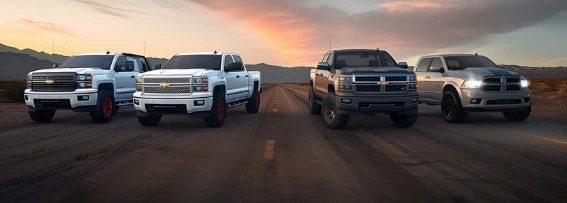
The Ford F-150, Chevrolet Suburban, and Dodge Ram sit among the most common vehicles on American roads, built around cargo capacity, towing, and long distance road trips. These models set the size expectation for an entire market, from suburban driveways to work sites.
Premium and Performance SUVs in the UAE
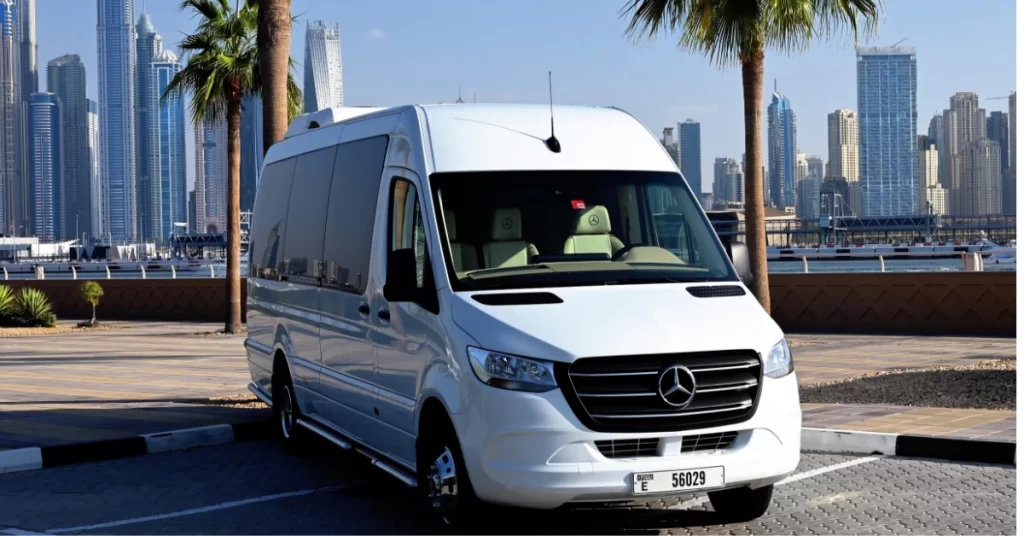
The Toyota Land Cruiser, Nissan Patrol, and Mercedes G-Class define the UAE’s SUV segment, chosen for desert capability and comfort rather than towing capacity. Size still matters, but it gets filtered through a lens of prestige and long distance comfort rather than utility alone.
Interior Space Priorities
American vehicles emphasize wide cabins, generous legroom, and expansive trunk space suited to family road trips. UAE sedans and coupes often favor premium materials over sheer volume, with rear seat comfort in chauffeur driven cars shaped as much by technology and plush upholstery as by size.
Vehicle Dimensions and Maneuverability
Broader dimensions and longer wheelbases suit American highways and generous parking lots, while UAE cities layer in traffic circles, tighter intersections, and underground parking that reward maneuverable midsize SUVs over anything oversized. This tradeoff explains why crossovers do well in cities like Dubai and Sharjah despite the market’s overall taste for premium size.
Compact Car Roles in Each Market
Compact cars serve younger drivers and city dwellers in the US, though full-size models still dominate national sales figures. In the UAE, compacts like the Toyota Yaris mostly show up in rideshare and fleet use, while affluent private buyers skip straight to high-clearance SUVs and luxury sedans. Visitors heading inland who would rather skip the size comparison altogether often just book an Al Ain chauffeur booking and let a professional decide which vehicle genuinely fits the route.
How Do Popular Car Models Compare Between the Two Countries?
Brand and model preference in the UAE leans toward Toyota and Nissan for reliability alongside a strong presence of Mercedes-Benz, Lexus, and BMW, while the US market centers on Ford, Chevrolet, Toyota, and Honda across a broader range of price points. Lower import duties and higher disposable incomes make high end imports considerably more common on UAE roads than on equivalent American streets, where tariffs and domestic manufacturing shape a more homogenous lineup. American visitors landing through the capital rather than Dubai can arrange an Abu Dhabi airport pickup and see this premium lineup firsthand before ever stepping into a rental office.
Sedan and coupe preferences diverge along similar lines. American drivers commonly choose the Toyota Camry or Honda Accord for daily commuting, with coupes like the Ford Mustang popular among younger buyers, while UAE sedans such as the Lexus ES and Mercedes E-Class sit firmly in the luxury segment and coupes lean toward prestige brands like Audi or BMW. SUVs remain dominant in both markets but serve different purposes, with American SUVs handling school runs, off-roading, and towing, while UAE SUVs like the Range Rover and Land Cruiser prioritize desert performance and long-distance comfort.
Pickup trucks reveal perhaps the sharpest cultural divide of all. The Ford F-150, Chevrolet Silverado, and GMC Sierra remain deeply embedded in American personal and commercial life, while UAE pickups like the Toyota Hilux mostly serve business and off-road enthusiast use rather than everyday private ownership. Electric and hybrid adoption follows a similar pattern of divergence, with the US further along through brands like Tesla and Rivian, while the UAE’s EV market grows more gradually alongside continued dominance from combustion luxury and off-road SUVs.
Why Do Fuel Prices and Regulations Shape These Differences?
Government policy and pricing structures explain much of why the two markets settled on such different vehicle lineups in the first place.
Fuel Prices and Consumption Patterns
Subsidized UAE fuel keeps larger engines financially practical in a way higher, more volatile American prices simply do not allow, directly shaping which engine sizes and fuel economy ratings sell well in each country.
Import Policies and Tariffs
Higher US import taxes protect domestic manufacturing and shape pricing around mainstream brands, while the UAE’s comparatively low duties open the door to a broader, more luxury heavy range of imported vehicles at accessible price points.
Emission Standards and Environmental Rules
Strict EPA standards and CAFE fuel economy rules push American manufacturers toward smaller, cleaner engines and hybrid systems, while more lenient UAE emissions regulations continue to allow high-performance, less fuel-efficient models to dominate the luxury and SUV segments.
Road Tax and Insurance Structures
American road tax and insurance costs scale meaningfully with vehicle size and weight, discouraging oversized purchases in some states, while UAE registration fees stay relatively fixed regardless of size and insurance depends more on driver profile than vehicle class.
Government Incentives for Clean Technology
US tax credits and state rebates actively support EV adoption in a way UAE incentives, such as free Salik tags or dedicated EV parking, are only beginning to match, contributing to the current gap in electric vehicle penetration between the two markets.
What Should Tourists Know Before Renting a Car in the UAE?
A handful of practical habits smooth out the adjustment for American visitors used to a very different vehicle and road culture back home.
- Match the vehicle to the trip: a compact sedan handles Dubai or Abu Dhabi city driving comfortably, while a 4×4 SUV like the Land Cruiser suits desert routes or off-road plans far better.
- Adjust to local driving etiquette, since overtaking from the left is standard and lane discipline on highways matters more than it typically does back home.
- Learn posted speed limits before setting out, since radar enforcement is strict and fines often land directly on the renter rather than staying with the rental company.
- Rely on Google Maps or Waze for live traffic, use the RTA app for Salik toll tracking, and download offline maps in advance for any desert route planned outside city coverage.
- Keep a passport copy, driver’s license, and rental agreement accessible at all times, since printed documents remain more commonly accepted during any roadside check.
- Understand the Salik toll system and prepaid parking zones before driving, since assuming free parking in a residential area is a common and avoidable source of fines.
- Confirm full insurance coverage before signing, particularly collision damage waivers and any sandstorm-related protection, since a scratch or accident can otherwise carry a large unexpected bill.
- Consider a driver rental in Sharjah for a northern emirates leg rather than navigating an unfamiliar fleet lineup in a city visited only briefly.
Which Rental Market Features Differ Between the US and UAE?
Beyond the vehicles themselves, the rental experience itself follows a noticeably different structure in each country.
Fleet Composition and Brand Mix
UAE rental fleets lean toward SUVs, luxury sedans, and economy hatchbacks from brands like Nissan, Toyota, and BMW, while American fleets center more on economy cars, midsize sedans, and standard SUVs from domestic manufacturers like Ford and Chevrolet.
Short-Term Versus Long-Term Rental Culture
Monthly or long-term rentals are common among UAE tourists and residents alike, often as an alternative to ownership entirely, while short-term daily and weekly rentals dominate the American market, particularly for business travel and vacations.
Service Add-Ons and Included Extras
UAE rentals frequently bundle in luxury extras like personal drivers, airport pickup, or fully equipped off-road vehicles, while American rentals lean more heavily on insurance bundles, roadside assistance packages, and standardized GPS add-ons.
Licensing and Age Requirements
Visitors to the UAE can typically rent with an international driving permit or a license from an approved country, with security deposits standard on a credit card, while the US usually accepts a valid state or foreign license alongside a credit card, with age restrictions commonly excluding renters under 21 or 25.
Pricing Transparency and Hidden Costs
UAE rental pricing looks competitive upfront but insurance coverage and Salik toll charges add to the real total, while American rates often start lower before taxes, coverage, and surcharges accumulate at checkout. Reading the fine print carefully matters equally in both markets.
How Are Interior Technology and Comfort Priorities Different?
UAE cabins tend to prioritize luxury and personalization, while American cabins lean more toward durability and family practicality, and both approaches shape what a first-time visitor should expect the moment they sit down.
UAE vehicles commonly arrive with full digital instrument clusters, surround view cameras, and Arabic language navigation built in as standard rather than optional extras. Real wood trims, full-grain leather, and ambient lighting show up even in mid-tier rental vehicles, reflecting a market where cabin presentation carries as much weight as mechanical performance. Concierge style infotainment systems and region-specific navigation features round out an experience clearly built around comfort as a primary selling point rather than an afterthought.
American vehicles take a more function-first approach to the same categories. Stain-resistant upholstery, foldable third-row seating, and large cup holders reflect a market shaped by family road trips and daily hauling rather than showroom presentation. Voice assistants, Apple CarPlay, and robust Bluetooth integration remain the priority over ambient lighting or premium trims, since American buyers tend to value dependable daily function over cabin theater.
For a visitor moving between the two markets, this difference explains why a UAE rental can feel noticeably more indulgent than an equivalent American vehicle even at a similar price point, and why packing lighter expectations around cargo space in a UAE sedan avoids an unnecessary surprise at the trunk.
Why an American Traveler Might Prefer a Chauffeur Over a Self Drive Rental in the UAE
Since much of the friction described above comes from adjusting to an unfamiliar fleet, unfamiliar road etiquette, and unfamiliar pricing structures all at once, a chauffeur booking sidesteps the adjustment period entirely rather than asking a visitor to absorb it mid trip.
- No vehicle model research required, since a professional driver already knows which car suits a given route, removing the guesswork of matching a Land Cruiser against a compact sedan for an unfamiliar desert excursion.
- No adjustment period for local driving etiquette, since overtaking patterns, lane discipline, and highway speeds stay entirely the driver’s responsibility rather than something a visitor has to learn in real time.
- No confusion between US and UAE rental terms, since a flat chauffeur rate replaces separate line items for tolls, insurance tiers, and fuel policies that rarely map cleanly onto American rental habits.
- Access to a premium fleet without a purchase decision, since a traveler curious about a Land Cruiser option for a single day trip can book it for that trip alone rather than committing to an unfamiliar rental category.
- A more consistent standard than comparing dealer lots, since a single trusted provider replaces the research an American visitor would otherwise do comparing brands, trims, and fleet reputations from scratch.
- One familiar point of contact throughout the stay, letting a visitor who might otherwise arrange a premium ride through several different apps or counters instead work with the same team from arrival to departure.
Common Questions About US and UAE Car Sizes and Models
A handful of questions come up consistently from American travelers trying to understand what to expect from UAE vehicle choices before a trip.
Why Are Pickup Trucks So Uncommon on UAE Roads?
Pickup trucks exist in the UAE mainly for business and off-road use rather than personal ownership, largely because the culture treats vehicles as lifestyle statements rather than utility tools the way American truck ownership often does. Premium SUVs fill the same practical role that trucks serve in the US, a distinction covered in more depth in our American traveler guide to planning a UAE road trip from a US starting point.
Are American Car Brands Available to Rent in Dubai?
Yes. Ford, Chevrolet, GMC, and Jeep are all available for both purchase and rental in Dubai, valued for their rugged performance even though they represent a smaller share of the market than Toyota, Nissan, and the major luxury brands.
Do UAE Rental Prices Really Include Everything Shown Upfront?
Not always. Base rental rates commonly exclude Salik tolls and certain insurance tiers, so the advertised price and the final invoice can differ meaningfully once these additions get factored in, similar to how American rentals often add taxes and surcharges after the initial quote.
Which Vehicle Type Suits a First-Time American Visitor Best?
A compact or midsize sedan generally covers city driving in Dubai or Abu Dhabi comfortably, while anyone planning a desert excursion or an intercity drive should look toward a 4×4 SUV instead, since terrain and distance matter more than personal preference alone.
Conclusion
Car size and model preference in the US and UAE trace back to genuinely different forces, from fuel economics and import policy to climate, road design, and what a vehicle is even meant to signal to the people around it. Neither approach is wrong so much as shaped by its own set of practical and cultural pressures.
For a visitor who would rather skip translating one country’s vehicle logic into another’s, a chauffeur booking removes the decision entirely, pairing the trip with whichever vehicle genuinely suits the route. Reach the Pilot & Car team at +971 50 785 2656 to book a driver who already knows which car fits which corner of the UAE.