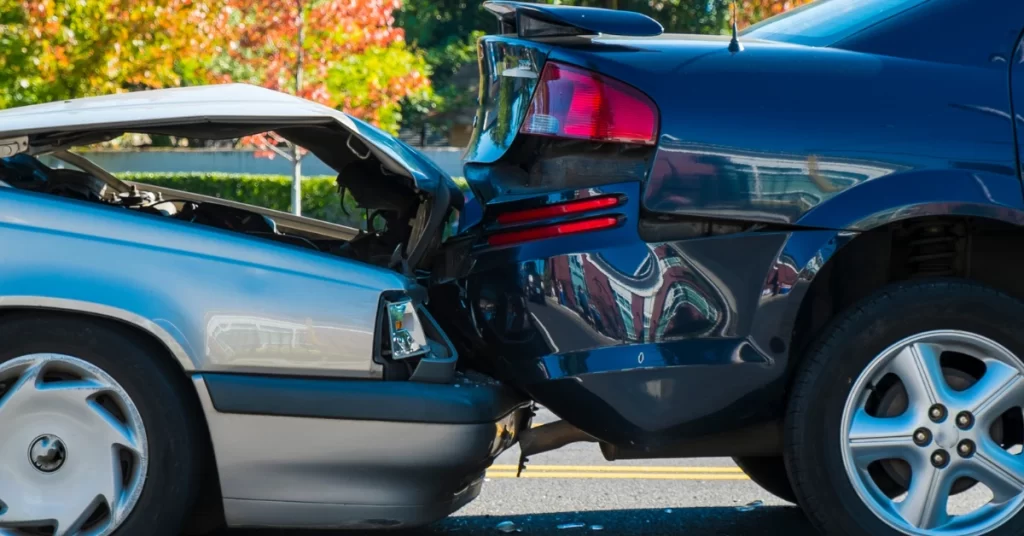
Nobody plans to crash a rental car. Yet a busy junction, a sudden stop on Sheikh Zayed Road or a moment of confusion at a roundabout is all it takes, and the stress that follows is sharper for a visitor. You may not know the rules, the numbers to call or whom to trust, and the car belongs to someone else.
Knowing the order of events helps you stay calm. The sections below explain what to do in the first minutes, whom to call, what evidence to keep, how rental insurance works and why many travellers choose a driver instead.
Why Does an Accident in a Rental Car Feel More Stressful?
Because two problems arrive at once: the safety of the people involved and the responsibility for a vehicle that is not yours. Visitors also face unfamiliar rules, language barriers and paperwork they have never seen.
The first problem is human. Someone may be hurt, children may be frightened and traffic may still be moving around you. Safety always comes before paperwork, photographs or phone calls to the rental desk.
The second problem is financial. A rental agreement usually makes the renter responsible for damage, subject to the insurance that came with the car. Excess amounts, exclusions and unpaid fines can turn a small scrape into a surprising bill, so details matter, and a chauffeur service in Dubai sidesteps most of them.
Preparation reduces both problems. Read the agreement before you drive, save the emergency numbers in your phone and know where the documents are kept. A calm routine, practised once in your head, is worth a great deal when the moment arrives. For a wider view, read the complete chauffeur service guide.
What Should You Do Immediately After the Accident?
Stop, switch on the hazard lights, check yourself and your passengers, and move to safety if you can. Stay calm, avoid arguments and do not leave the scene until the police and the other parties have what they need.
Check for Injuries First
Ask every passenger how they feel before anyone moves, and look for signs of pain, dizziness or bleeding. Do not move someone with a possible neck or back injury unless there is danger from fire or traffic. If you are unsure, wait for the ambulance and keep the person warm and calm.
Make the Scene Visible
Switch on the hazard lights straight away and, if it is safe, place a warning triangle well behind the car. Fast roads in the UAE are busy at every hour, and a stopped vehicle that other drivers cannot see is a second accident waiting to happen. Stay well clear of moving traffic.
Move to a Safe Place
If nobody is hurt and the car can be driven, follow the police instructions about moving it to the roadside so traffic can flow. Passengers should wait behind a barrier or well away from the carriageway, not between the car and moving vehicles. Leave the engine off and the keys with you.
Stay Calm and Polite
Raised voices do not help, and neither does blaming anyone at the scene. Speak calmly, share the facts and let the police and insurers decide responsibility. Avoid signing documents you cannot read, and ask for a translator or a copy in a language you understand. Take your time with every form.
Do Not Leave the Scene
Driving away after a collision can cause serious legal trouble, even if the damage looks small. Wait for the police to attend and give you instructions, and do not agree private payments on the roadside. A proper report protects you, the rental company, the other driver and any passengers involved.
Who Do You Call and What Do You Say?
Call the police first, an ambulance if anyone is hurt, and the rental company before the car is moved. Keep every call short and factual, with your exact location and the number of people involved.
- Police on 999: Dial 999 from a safe place and state your location, the type of accident and whether anyone is injured. Use a road sign, a landmark or your phone map to describe where you are.
- Ambulance on 998: If anyone is hurt, ask for an ambulance on 998, or tell the 999 operator about the injuries. Follow the instructions you are given, and stay on the line until the operator ends the call.
- The rental company: Call the emergency number on your rental agreement before the car is towed or moved. Explain what happened, share the plate number and ask what the company needs from you, including the police report.
- Your insurer or card provider: If you bought extra cover or paid with a card that includes insurance, call that provider as soon as possible. Ask what they need, how long you have to report and which documents to keep.
- Your hotel or host: Tell the hotel reception or your host what has happened. Staff deal with local procedures regularly and can help with translation and transport. For a large party, a King Long 33 seater carries everyone onward.
- A trusted contact: Let a family member or colleague know you are safe and where you are. A calm second person can follow up on messages, check paperwork and relieve some of the pressure while you deal with the authorities.
What Evidence Should You Collect at the Scene?
Good evidence settles disputes quickly. Photographs, names, plate numbers and the police report give insurers and the rental company a clear record of what happened, so collect them before you leave.
- Photographs of all vehicles from several angles, including plate numbers, damage close ups and the position of each car on the road. Take more photographs than you think you need.
- Wide shots of the scene, showing road markings, signs, traffic lights and any skid marks that explain how the collision happened. Note the lighting and weather as well.
- The full names, phone numbers and insurance details of the other drivers, plus the plate numbers of their vehicles. Photograph each document instead of copying numbers by hand.
- Names and contact details of any witnesses, who can describe what they saw if the other driver disputes your account. Ask them politely before they leave the scene.
- A copy of the police report, checked carefully for errors in names, plate numbers, locations and the description of events before you accept it.
- Dashcam footage or a short video from your phone, saved immediately to your cloud storage so it cannot be lost with the device.
- Notes of the time, weather and road conditions, and a quick sketch of where each car was before and after the impact, while the memory is fresh. Send the notes to yourself as a message.
How Does Rental Insurance Work in the UAE?
Rental insurance usually combines a mandatory base cover with optional upgrades. The cover you choose decides how much you pay after an accident, so read the terms before signing rather than after a collision.
Third Party Liability
This is the basic level of cover. It pays for damage and injuries you cause to other people and their vehicles, but it does not repair the rental car itself. Check what the contract says about the car you are driving, because gaps are expensive. Ask the desk to explain it plainly.
Comprehensive Cover
Comprehensive cover is wider. It usually covers damage to your own vehicle as well as the other party, and may include theft and fire. It costs more, but the extra protection can be worth it on long trips. For a family stay in Ajman, an Ajman car with driver avoids the question.
Collision Damage Waiver
A collision waiver limits what you pay if the rental car is damaged, but it normally leaves an excess that you must cover yourself. Ask for the exact excess in writing, find out what the waiver excludes and confirm whether tyres, glass and the underside are included. Do not assume anything.
Super Collision Waiver
An upgraded waiver can reduce or remove the excess, which gives you more certainty after an accident. It costs extra each day, so compare that charge with the risk. Even then, ask about exclusions, because carelessness, unauthorised drivers and off road use are often not covered. Read the small print slowly.
Personal Accident Cover
Personal accident insurance deals with medical costs for the driver and passengers, usually up to a stated limit. Check the limit, check who counts as a covered passenger and compare it with your travel insurance, so you do not pay twice for the same protection. Ask about roadside help too.
What Costs and Responsibilities Can You Face?
A rental accident can bring more than repair costs. Excess, administration charges, fines and loss of use may all appear on the final bill, so understand each one before you drive away from the desk.
- Excess: The excess is what you pay before insurance responds. It varies by agreement, and on a luxury model such as a Rolls Royce Ghost saloon it can be very large. Ask for the figure in writing.
- Who was driving: Many contracts cover only the named driver. If someone else drives and has an accident, the insurance may not respond at all. Never hand over the keys to a friend. A driver included Dubai rental avoids the issue.
- Police report: Insurers and rental companies commonly ask for the official police report before they process a claim. Keep the original, take a photograph of it and send a copy to the company straight away.
- Loss of use: While a damaged car is repaired, the company may charge for the days it cannot be rented. Ask whether the agreement includes such a charge and how it is calculated.
- Fines and fees: Traffic fines linked to the accident, recovery charges and administration fees can follow you for weeks. Keep your contact details current, and pay or dispute any notice quickly so nothing escalates.
- Leaving the country: If you are flying out soon, tell the company and the police early. Unresolved cases can delay your departure or lead to claims after you return home, so ask for a clear written summary before you go.
Is a Chauffeur Safer Than Driving a Rental Yourself?
For many visitors, yes. With a chauffeur booking you pay for a service, not a vehicle hire, so the driver and the company deal with the road, the car and the procedures.
No Excess and No Named Driver Worries
When a professional drives, you do not sign for the car, you do not carry the excess and you do not worry about who is allowed behind the wheel. A chauffeured booking is a service, not a rental, though you should always confirm the exact written terms with the company.
Highway Trips Between Emirates
Highway drives between emirates are where unfamiliar drivers struggle most. An Abu Dhabi airport ride with a local driver replaces a stressful, fast road drive after a long flight with a calm journey and a driver who knows the lanes and exits. Share your flight details and the final address in advance.
Airport Arrivals Without Driving
Tiredness and unfamiliar roads are a poor mix in the hours after a long flight. A Dubai airport arrival transfer puts a rested local in the driving seat and you in the back, which removes the riskiest part of the trip. Ask how flight delays are handled before you book.
Groups and Larger Parties
A group trip with several drivers and several cars multiplies the chances of a mishap. One Toyota Coaster minibus with a professional driver keeps the whole party together, simplifies the schedule and leaves everyone free to enjoy the day without arguing about who drives. Ask for the seat count when booking.
Northern Emirates Trips
Drivers unfamiliar with the roads north of Dubai face fast traffic and sudden exits. A UAQ chauffeur for visitors handles the lanes, the tolls and the parking, so a quiet beach day or a family visit stays relaxed from the first kilometre to the last. Agree the route and return time beforehand.
Why Do Travellers Choose Pilot & Car Over Driving a Rental?
Travellers choose Pilot & Car because a booked driver takes the road, the car and the paperwork off their hands, with a company that has served Dubai since 2000 and holds a 4.9 Google rating from more than 700 reviews.
A fleet of more than 200 vehicles means the right car is available for each plan: a sedan for a business trip, an SUV for a family or a larger vehicle for a group. Choosing the vehicle beforehand removes one more decision from a busy trip.
Cars are 2020 models or newer and are replaced on a three year cycle, so visitors ride in vehicles that are well kept. The team speaks English, Arabic, Hindi, Urdu, Russian, French and Spanish, which helps when plans change.
Questions before the trip are welcome on WhatsApp at +971 50 785 2656. Send your date, pickup point and passenger count, and ask for written confirmation of the vehicle and the plan so that nothing is left to chance on the day.
Frequently Asked Questions
What number do I call after an accident in the UAE?
Call 999 for the police and 998 for an ambulance if anyone is hurt. Give your location, the number of people involved and the type of accident, and follow the operator’s instructions.
Should I move my rental car after a minor accident?
If nobody is hurt and the car can be driven, follow the police instructions about moving it to a safe spot so traffic can flow. If anyone is injured or the car is unsafe, leave it where it is and wait.
Do I need a police report for a rental car accident?
Yes, in most cases. Insurers and rental companies usually ask for the official report before they process a claim. Keep a copy, check it for errors and send it to the company promptly.
Who pays for damage to a rental car?
It depends on the agreement and the insurance you chose. The renter is usually responsible for the excess and for anything the cover excludes, so read the terms before you drive away.
Can a friend drive my rental car?
Only if the contract names them as an authorised driver. Otherwise the insurance may not respond, and you could be responsible for the full cost of the damage, which can be a heavy burden for a visitor.
What is an excess on rental car insurance?
The excess is the amount you pay toward a claim before the insurance covers the rest. It differs between cars and agreements, so ask for the exact figure in writing before you sign.
What should I photograph at the scene?
Photograph all vehicles from several angles, the plate numbers, the damage, the road markings and the wider scene. Add the other driver’s documents and any witness details if they agree to share them.
Am I responsible if a chauffeur is driving?
A chauffeur booking is a service, not a vehicle hire, so the arrangement differs from a rental. Ask the company to explain how incidents are handled and what the booking terms say.
What if I am leaving the country soon?
Tell the rental company and the police early, keep copies of every document and ask for a written summary of the case before you fly. This reduces the risk of surprise claims later.
How do I book a chauffeur instead of renting a car?
Send your date, pickup point, passenger count and destination on WhatsApp to +971 50 785 2656, and ask for written confirmation of the vehicle and the plan before you travel.
Staying Safe and Protected
An accident in a rental car is never welcome, but a clear sequence of steps keeps it manageable: protect people first, call the right numbers, collect evidence, inform the company and read the insurance terms before you sign. Calm, organised action saves time and money.
If you would rather leave the driving and the paperwork to someone else, message the team on WhatsApp at +971 50 785 2656 with your date and destination, and ask for a chauffeur booking that suits your plans.