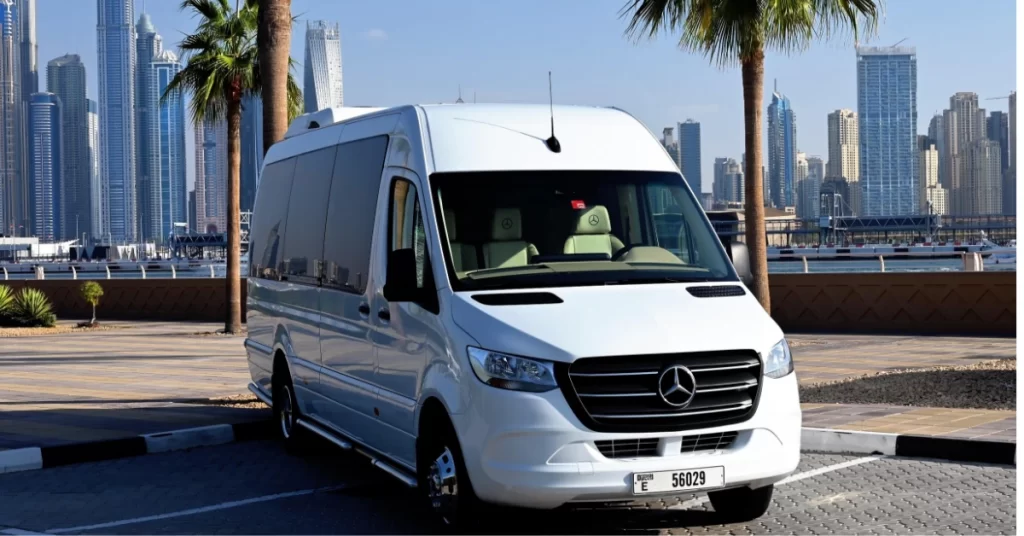
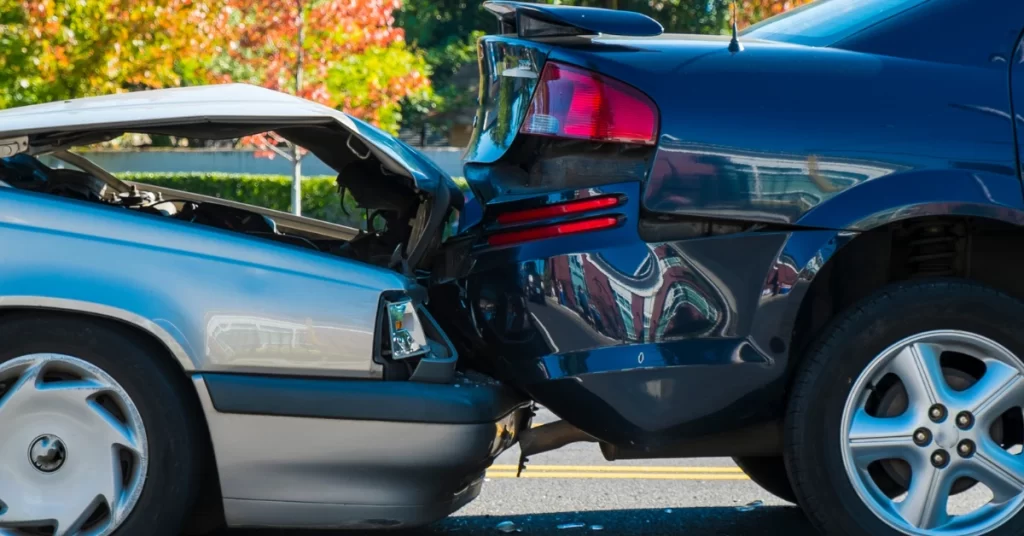
A rented car faces the hardest conditions of the year in a UAE summer. Pavements radiate heat, the dashboard can become too hot to touch, and a short stop at a mall turns the cabin into an oven. The car is not yours, but the responsibility is, and a flat tyre, an overheated engine or a dead battery at 45 degrees is a miserable way to spend a holiday.
A few simple checks, done in minutes, prevent most of these problems. The sections below cover tyres, cooling, the battery, filters, sun protection and the return, and explain when letting a professional driver handle everything is the easier choice.
Why Does Summer Heat Matter for a Rented Car?
Heat stresses every part of a car at once. Tyres flex, fluids thin, batteries lose strength and interiors bake, so a car that behaves well in winter can fail quickly when temperatures climb above forty degrees.
Rental cars add a second layer of risk, because many are driven by several people in a season and checked only between hire periods. A fault that one driver ignored becomes the next driver’s problem on the highway.
Responsibility matters too. Many agreements make the renter responsible for damage that results from neglect, such as running an engine low on coolant or ignoring a warning light. Read the contract, photograph the car at pickup and report any fault straight away.
The good news is that summer care is mostly common sense. Check the tyres, watch the temperature gauge, protect the cabin from the sun and keep the battery healthy. Ten minutes before each long drive protects both your trip and your deposit. Weighing options? Read about the best chauffeur hire timing across the year.
How Do You Check Tyre Health and Pressure?
Check pressure when the tyres are cold, look for cracks and bulges, and measure tread depth. Hot roads raise pressure and weaken old rubber, so tyres are the first part of a rental that deserves attention.
Check Pressure Cold
Measure pressure early in the morning or after the car has stood in shade, because driving heats the air inside and gives a false high reading. Compare the figure with the chart on the driver’s door frame or in the manual, and top up at a petrol station if the numbers are low.
Avoid Over Inflation
More air is not safer air. An over inflated tyre has a smaller contact patch, which reduces grip and makes the ride harsh, while heat pushes the pressure higher still. Stay within the manufacturer’s range, and never let anyone talk you into inflating beyond it to compensate for a heavy load.
Look for Cracks and Bulges
Walk around the car and look closely at each sidewall. Small cracks, bulges or exposed cords mean the tyre is unsafe at highway speed in summer heat. Photograph any damage, tell the rental company at once and ask for a replacement rather than driving away and hoping for the best.
Test the Tread
Tread channels clear water and grip hot asphalt. Use a tread depth gauge if you have one, or the simple coin method, and look for the wear indicators moulded into the grooves. Shallow tread is a particular risk during rare summer downpours, when roads turn slick with oil and dust.
Do Not Forget the Spare
A flat in 45 degree heat is dangerous to fix at the roadside. Confirm the spare tyre or repair kit is present, correctly inflated and accompanied by a jack and wheel brace. If anything is missing, ask the rental company to supply it or swap the car before you leave the car park.
How Do You Keep the Cooling System Healthy?
Watch the temperature gauge, check coolant when the engine is cold and respond quickly to warning lights. The cooling system works hardest in summer traffic, so small problems become serious in minutes.
- Coolant level: Open the bonnet only when the engine is cold, and check that coolant sits between the minimum and maximum marks. Never open a hot radiator cap, because pressurised liquid can cause serious burns.
- Temperature gauge: Glance at the gauge during every drive. A needle that climbs above its usual position in traffic is an early warning. Switch off the air conditioning, turn on the heater to shed heat and pull over safely.
- Leaks and hoses: Look under the car where it was parked for fresh drips, and check visible hoses for cracks or swelling. Green, pink or orange puddles often mean coolant escaping, so report them before the next trip.
- Fans and engine oil: Listen for the radiator fan when the car idles in traffic, and check the oil level on the dipstick when the engine is cold. Low oil raises friction and heat, so top up or report it quickly.
- Air conditioning care: Run the air conditioning on recirculate once the cabin cools, because it cools faster and eases the load. A Dubai summer chauffeur can pre cool the cabin for you. Odd smells deserve a report.
- Do not push through a warning: A red temperature light means stop, not slow down. Park safely, switch off the engine, call the rental company and wait for guidance. Driving on can wreck an engine and turn a small bill into a very large one.
How Do You Protect the Battery and Filters?
Heat is hard on batteries, and dust is hard on filters. A little attention to both keeps the car starting and breathing properly, which matters most on long summer drives and desert trips.
- Start the car at least every few days if it is parked for a long stay, and let it run long enough to recharge, because short trips drain more than they restore.
- Look at the battery terminals if you can see them, and report any white or green crust, which can stop the car from starting even when the battery is healthy.
- Switch off lights, chargers and the stereo before leaving the car, and never run electronics for long with the engine off, since that drains the battery quickly.
- Lock the car properly each time, because some alarms and sensors keep drawing power if a door is left slightly open.
- If the engine cranks slowly or the dashboard lights flicker, call the rental company and ask for a battery check before you travel far from the city.
- Ask when the air filter was last changed, especially if you plan to drive near building sites or desert roads, where dust blocks filters faster. A UAQ car with driver avoids that worry on sandy northern routes.
- Notice weak airflow from the vents, a musty smell or poor acceleration, which can point to a clogged cabin or engine filter, and report it instead of ignoring it.
How Do You Shield the Car From the Sun?
Shade, reflective covers and a few small habits protect the paint, the dashboard and the people inside. The cabin of a parked car can reach extreme temperatures within an hour, so planning where you park matters.
Choose Shade First
Covered car parks and the shaded side of buildings keep the cabin many degrees cooler. Move with the sun during long stops if you can, and avoid parking beneath trees that drop sap or attract birds. A few extra steps from the door can save the paint and the seats.
Use a Windscreen Shade
A reflective shade behind the windscreen lowers the temperature of the dashboard and steering wheel, and protects screens, leather and plastic from fading. Fold it away before you drive, and check that nothing is left loose on the seats or parcel shelf. Cool surfaces mean a cooler first minute behind the wheel.
Never Leave Items Behind
Sealed bottles, lighters, power banks, aerosol cans and electronic devices can swell, leak or ignite in a hot cabin. Take them with you every time, and also remove anything valuable. Heat also ruins medicines, cosmetics and chocolate, so always keep your cooler bag with you rather than in the boot.
Protect the Paint
Ultraviolet light fades and cracks paint over time, and dust and sand scratch it when wiped dry. Rinse the car with water before wiping, and avoid using a dry cloth on a hot surface. Report existing marks at pickup so they are not blamed on you later. Photographs make this easy.
Cool the Cabin Before You Drive
Open the doors for a few seconds to let hot air escape, then start the air conditioning with the windows slightly down. Keep a light cloth over the steering wheel and seat belt buckles, which can burn skin. For family trips, a Toyota Previa van with a driver spares children the hot seat altogether.
What Should You Do Before You Return a Rental?
A careful return protects your deposit. Clean the car, check the fuel level, collect your belongings and compare the condition with the photographs you took at pickup. Summer adds a few extra steps.
- Clear the cabin: Remove rubbish, sand and spilled drinks, which bake into the carpets and seats within hours. Check pockets, the glove box and the boot for chargers, sunglasses and anything else that may be left.
- Match the fuel level: Return the car with the fuel level your agreement requires, and keep the receipt from your last fill up. Disputes about fuel are common and easy to settle when the paperwork is in your hand.
- Photograph the car again: Take clear photographs of every panel, the wheels, the interior and the dashboard with the mileage showing. Do this in good light, in the car park, before handing over the keys.
- Report issues honestly: If a warning light came on, a tyre lost pressure or the air conditioning weakened, say so. Early honesty is usually treated better than a problem discovered later, and it protects you from a larger charge.
- Check fines and tolls: Ask how tolls and parking fines are handled, and pay what you owe before returning the car. Charges that arrive weeks later are far easier to dispute when you have the dates and receipts.
- Get a signed receipt: Ask for written confirmation that the car was returned in acceptable condition, including the time and the mileage. A signed note or a message from the company is your protection against later claims.
- Leave time for the flight: If you return the car on the way to a flight, allow extra time for the handover and the queue. Alternatively, a Dubai airport departure ride means no handover at all.
When Is a Chauffeur Easier Than a Self Drive Rental in Summer?
A chauffeur is easier whenever the checks, the heat and the parking feel like a burden. A booked driver arrives in a prepared, cool vehicle and takes the responsibility for the car off your shoulders.
Long Summer Highway Trips
Highway journeys in July test every part of a car. If you would rather not monitor tyres, coolant and gauges yourself, hire a Dubai driver and let the company handle the vehicle. You still enjoy the scenery, but the technical side belongs to someone else. The result is a calmer trip.
Airport Runs in the Heat
Travellers continuing inland to Al Ain after a long flight can book an Al Ain landing pickup instead of collecting a hot rental and finding the road alone. The driver brings a cool cabin, handles luggage and keeps the journey comfortable in the afternoon heat. Share the flight number in advance.
Desert and Mountain Days
Sand, steep roads and high temperatures are tough on an ordinary rental. A Toyota Land Cruiser SUV with a driver is built for rough ground and heat, so day trips to the mountains or the dunes stay safe and relaxed. Agree the route, the stops and the return time in advance.
Family Days Out
Children and older relatives feel the heat most. A GMC Yukon SUV offers a roomy, cooled cabin for a family outing, and the driver drops everyone at the entrance, so nobody walks across a sun baked car park with bags and strollers. Ask about seat requirements when you book early.
Business Errands Across Emirates
Meetings across emirates are common even in the quietest travel months. A Sharjah business chauffeur keeps the drive productive, avoids the stress of finding parking in the midday sun and returns you to your hotel in comfort. Ask the company which hours of the day work best for your schedule.
Why Do Renters and Visitors Choose Pilot & Car in Summer?
Pilot & Car takes the maintenance worry out of summer travel: a fleet of more than 200 vehicles, cars of 2020 or newer, and a team trusted by hundreds of reviewers, with a 4.9 Google rating.
- More than 200 vehicles in the fleet, so the company can match a car to a short city run, a long highway day or a family outing in the heat.
- Vehicles are 2020 models or newer and are replaced on a three year cycle, which keeps tyres, cooling systems and air conditioning in better shape than an older fleet.
- A company founded in 2000 has seen many Dubai summers and plans its bookings around the heat, the traffic and the demands of long journeys.
- A 4.9 Google rating from more than 700 reviews, which gives renters and visitors a recent, public record to check before they book.
- Support in English, Arabic, Hindi, Urdu, Russian, French and Spanish, and a WhatsApp line at +971 50 785 2656 for questions before the trip.
Frequently Asked Questions
How often should I check the tyres on a rented car in summer?
Check them before every long drive and at least once a week on a longer rental. Heat changes pressure quickly, so a quick look and a gauge reading take only a few minutes and prevent most roadside problems.
What tyre pressure should I use in hot weather?
Use the figure on the chart in the door frame or the manual, measured when the tyres are cold. Do not add extra air to compensate for the heat, because pressure already rises as the road warms.
What should I do if the engine temperature rises?
Switch off the air conditioning, turn on the heater, pull over safely and stop the engine. Do not open a hot radiator cap. Call the rental company and wait for guidance before driving on.
Can heat drain a car battery?
Yes. High temperatures shorten battery life and increase the chance of a failed start, especially if the car stands unused or electronics run with the engine off. Report slow cranking early.
Is it safe to leave items in a hot parked car?
Bottles, lighters, power banks and electronic devices can swell, leak or ignite in a hot cabin. Take them with you, and never leave children or pets in a parked car, even for a minute.
How can I keep the cabin cooler when parked?
Park in shade or a covered car park, use a reflective windscreen shade and crack the windows slightly if it is safe. Let hot air escape before you get in and start the air conditioning.
Who is responsible for damage caused by neglect?
Many agreements make the renter responsible, but terms differ. Read your contract, photograph the car at pickup and return, and report faults promptly so they are clearly recorded for both sides.
Should I wash a rented car before returning it?
Follow the rental agreement. A clean car makes it easier to inspect, but rinse sand and dust gently with water before wiping, because dry wiping can scratch the paint and leave marks.
Is a chauffeur easier than a self drive rental in summer?
For many trips, yes. A driver arrives in a prepared vehicle, handles parking and navigation, and removes the responsibility for tyres, coolant and warning lights from you completely, which suits most visitors.
How do I book a chauffeur for a summer trip?
Send the date, pickup point, passenger count and any special needs on WhatsApp to +971 50 785 2656, and ask for written confirmation of the vehicle and the plan before you travel.
Summer Ready, Stress Free
Summer driving in the UAE is safe and enjoyable when the basics are covered. Check the tyres, watch the cooling system, protect the battery, shade the cabin and document the car at pickup and return. Small habits keep a rental trouble free and a deposit intact.
If you prefer to leave the checks to someone else, message the team on WhatsApp at +971 50 785 2656 with your dates and destination, and a driver will take the heat, the road and the parking off your hands.