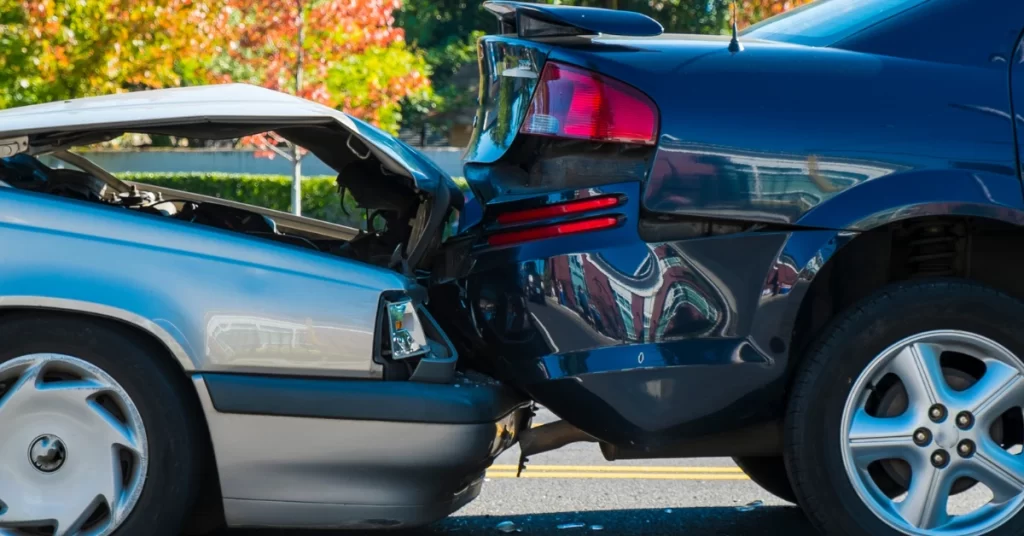
First-time visitors struggle with Dubai roads because the city mixes six-lane highways, invisible toll gates, and hidden speed cameras with a fast, confident local driving style. Multi-level interchanges and GPS databases that lag behind Dubai’s construction pace add to the confusion, turning a simple airport-to-hotel drive into hours of stress.
The result is rarely a single wrong turn. It’s traffic fines, unexpected toll bills, and a rental car return that costs more than the booking itself. Many visitors abandon self-driving plans by day two, not because Dubai is unsafe, but because the road system rewards local knowledge that no first-time visitor has.
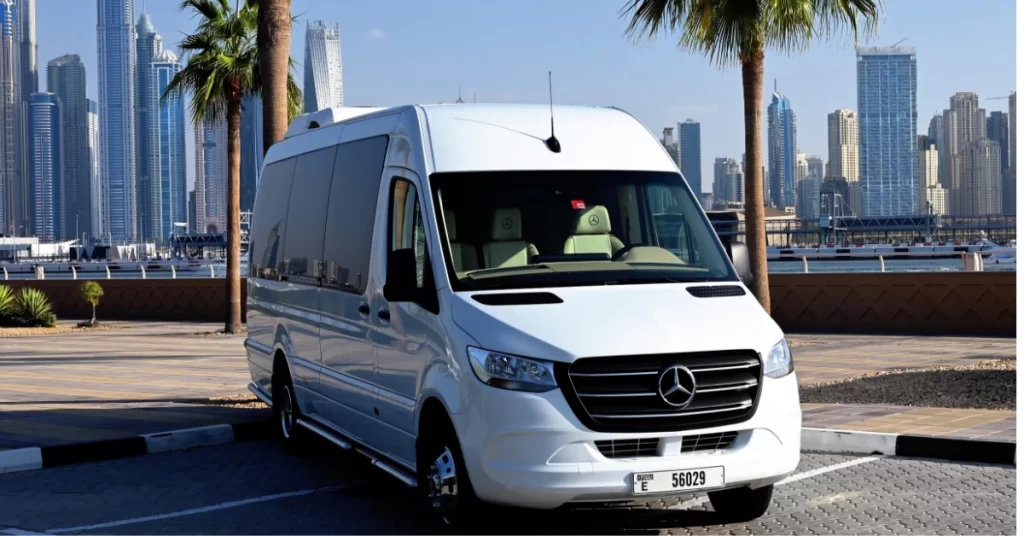
The easiest fix is to skip the learning curve entirely. A licensed chauffeur service like Pilot & Car puts 25 years of that local knowledge behind the wheel for you, so tolls, speed cameras, and confusing interchanges become someone else’s problem instead of yours.
What Makes Dubai’s Roads So Hard for Tourists to Read?
Dubai’s roads confuse tourists because the city builds faster than maps can keep up, and signs assume you already know the area. Even seasoned drivers from other big cities find it disorienting on day one.
Here is what catches most visitors off guard:
- Six lanes, one shot: Sheikh Zayed Road runs six lanes each way, with exit signs appearing at highway speed. There is barely time to read an unfamiliar name and change lanes before the turn.
- Stacked interchanges: Al Khail Road interchanges look simple from a distance but need several fast lane changes in seconds. Miss one, and you are looking at kilometers of backtracking.
- Neighborhoods that look identical: Business Bay and Dubai Marina share a similar skyline, and the desert around them offers no hills or coastline to help you get your bearings.
- Mixed Arabic and English signage: Both languages appear, but not always with equal size or placement, so drivers lose a beat deciding which to read first.
- Maps that lag behind construction: GPS databases often take months to catch up with new roads. The area around the Museum of the Future confused mapping apps for over a year after it opened.
How Does the Salik Toll System Trip Up Visitors?
Salik works entirely electronically, with no booths and no stop to confirm payment. Cars pass under an overhead scanner, and the charge lands on your bill later, which feels backwards if you are used to paying at a gate.
A lot of visitors ask, did I actually get charged for that? The honest answer is yes. Every scan under an active Salik gantry adds a fee, whether or not you noticed a sign overhead.
This becomes a real pain point once the bill arrives, and here is why:
- Rental companies often explain Salik briefly at pickup, if at all, so the real cost only becomes clear at drop off.
- Dubai has eight Salik locations. A single trip from the airport to Palm Jumeirah can cross four of them.
- A normal weekend of tourist driving can add up to 200 AED in tolls that were never part of the original rental quote.
- Routes built to dodge Salik gates usually add 20 to 40 minutes per trip, so avoiding tolls rarely saves money once you account for time.
Booking a chauffeur-driven car in Dubai removes this problem completely, since tolls are already built into your quoted price.
Why Do Speed Cameras Catch So Many Tourists?
Speed cameras catch tourists because Dubai’s enforcement is far less visible than what most international drivers expect, with no bright paint, no warning signs, and limits that can change without notice.
Cameras Blend into the City
Units mounted on poles, bridges, and buildings along roads like Hessa Street are easy to miss, especially when you are already focused on finding your exit.
Limits Can Drop Without Warning
Al Wasl Road speed limits can fall from 80 to 60 kilometers per hour with little advance signage, often right where a camera sits.
Tolerance Is Tighter Than Back Home
Dubai typically enforces limits at 20 kilometers per hour over the posted speed, stricter than the roughly 10 percent grace margin common in many Western countries.
Fines Take Weeks to Arrive
How much do speed camera fines actually cost tourists? Violations start around 600 AED, and a week of normal tourist driving can generate 2,000 to 5,000 AED in fines, usually discovered only when the rental company charges the card back home.
With a professional driver, camera compliance is the chauffeur’s job, not a surprise on your statement after you have already flown home.
What Driving Rules Catch International Visitors Off Guard?
Several everyday habits from home mean something different in Dubai, and getting them wrong can create real safety risk on the road.
- Right hand traffic. Visitors from the UK, Australia, and Japan often reach for the wrong side wiper stalk instead of the indicator, costing precious reaction time at junctions.
- A more assertive driving style. Fast approaching cars flashing their headlights expect an immediate lane change. It can feel intimidating if you are used to a calmer highway culture.
- Left lane means overtaking only. Cruising in the fast lane on a road like Jumeirah Road invites aggressive tailgating, and increasingly, a fine for improper lane use.
- Roundabout rules can flip your instincts. Some roundabouts give priority to entering traffic, the opposite of European norms, which causes hesitation or false confidence depending on what you expect.
- Pedestrian crossings need a full stop, always. Cameras near crossings such as those on Karama enforce a complete stop even if nobody is crossing at that moment.
How Much Does Dubai’s Heat Affect Driving?
Dubai’s heat affects driving because summer temperatures regularly climb past 45 degrees Celsius, straining rental cars, slowing driver reaction time, and creating risks most visitors from cooler climates never plan for.
Can a parked car in Dubai really get dangerously hot? Yes. Interior temperatures can reach 70 degrees Celsius within two hours, hot enough to burn skin on contact with a steering wheel or a metal seatbelt buckle.
A few things to know before you drive in summer:
- Cars stuck in slow traffic during July and August can overheat, especially around routes like the Motor City ring roads.
- Heat expands the air inside tires, which often triggers a dashboard warning that visitors mistake for a puncture.
- Desert heat causes dehydration faster than most people expect, and the fatigue that follows affects reaction time on fast roads like Al Ain Road.
- East to west roads such as those in Satwa become genuinely hard to see during the 30 minute glare windows around sunrise and sunset.
Why Do GPS Apps Get Confused in Dubai?
GPS apps struggle in Dubai because the city builds new roads faster than mapping databases can update, and local address habits, like landmark based directions, do not translate well into standard navigation software.
- Roads in newer areas such as Dubai Hills Estate stayed missing or inaccurate in commercial GPS databases for up to two years after they opened.
- An address like “behind City Centre Deira” means nothing to an app built around numeric coordinates.
- Gated communities such as Arabian Ranches and The Springs use villa numbering systems that do not match standard street navigation, so a correct address may still not get you through the gate.
- Palm Jumeirah’s frond shape and Dubai Marina’s tight, limited access curves regularly send GPS apps into loops, or suggest routes that require leaving the area entirely just to re-enter from another side.
Why Choose a Chauffeur Instead of Self-Driving in Dubai?
A licensed chauffeur service removes every problem covered above at once. Navigation, tolls, speed cameras, heat, and unfamiliar road rules all become someone else’s responsibility, so you can actually enjoy the trip you planned.
Pilot & Car has spent 25-plus years learning Dubai’s roads, backed by a fleet of over 200 vehicles and 600-plus five-star reviews on Google. That kind of track record matters when you are trusting someone with your entire visit.
Here is what that experience gets you:
- Drivers who know every shortcut: Chauffeurs handle complex areas like Al Garhoud Bridge without hesitation, saving you the 20 minutes or more an unfamiliar driver would lose working it out alone.
- Tolls and fines included, not added on: Salik charges are built into your quoted price, and speed camera compliance is the driver’s responsibility, not yours.
- A proper airport welcome: Book an airport transfer, and your chauffeur meets you at arrivals with a name sign, so you skip the rental counter, the insurance upsell, and the Salik explanation nobody has time for after a long flight.
- Flexible hire for however your day runs: A rent a car with driver booking gives you a dedicated vehicle and chauffeur by the hour or the day, from a Lexus ES350 for standard transfers to a GMC Yukon if your group needs the extra space.
- Multilingual drivers: Chauffeurs speak English, Arabic, Hindi, and Urdu, with some also fluent in Russian, French, and Spanish, which helps with everything from souk visits to finding a good local restaurant.
- Coverage beyond Dubai: Pilot & Car also runs trips into Abu Dhabi, Sharjah, and the wider UAE, useful if your Dubai itinerary turns into a day trip.
Frequently Asked Questions
Do I need an international driving license to drive in Dubai?
Most nationalities need an International Driving Permit alongside their home license, though some countries have agreements that allow direct use. Check current RTA requirements for your nationality before you travel.
Are Dubai roads safe for inexperienced visitors?
The roads themselves are well built and well maintained, but high speeds, an assertive local driving style, and complex interchanges make them demanding for anyone unfamiliar with the city. A licensed chauffeur removes most of that risk.
How much do traffic fines usually cost tourists?
Speed camera violations start around 600 AED. Many visitors end up with 2,000 to 5,000 AED in fines over a week long trip, often from several smaller violations plus rental company admin fees.
Can I avoid Salik tolls by taking a different route?
You can, but the detour usually adds 20 to 40 minutes per trip. Reaching most major attractions without crossing at least one Salik gate is nearly impossible anyway.
Is a chauffeur more expensive than renting a car?
Once you add up rental fees, fuel, Salik charges, parking, and the fines many tourists pick up along the way, a chauffeur service often costs about the same or less. Full day hire with Pilot & Car typically runs 800 to 2,000 AED depending on the vehicle, with no hidden extras.
Does Pilot & Car offer airport pickup?
Yes. Drivers meet you at arrivals for both Dubai International and Al Maktoum International with a name sign in hand. Book through the airport transfer or reach the team directly on WhatsApp at +971 50 785 2656.
Can a chauffeur take me sightseeing around Dubai?
Yes. Drivers regularly cover Burj Khalifa, Dubai Mall, Gold Souk, Palm Jumeirah, and other major spots, handling navigation and parking while sharing local tips along the way.
The Easier Way to See Dubai
Dubai’s roads are built for people who already know them. Hidden cameras, invisible tolls, and interchanges that assume local knowledge catch out even careful drivers. None of that is a reason to skip Dubai. It is simply a reason to let someone else take the wheel.
Pilot and Car bring 25-plus years of Dubai road experience to every booking, from airport pickup to a full day of sightseeing, with transparent pricing and no surprise fines. Book your chauffeur or message +971 50 785 2656 on WhatsApp to start your trip stress-free.