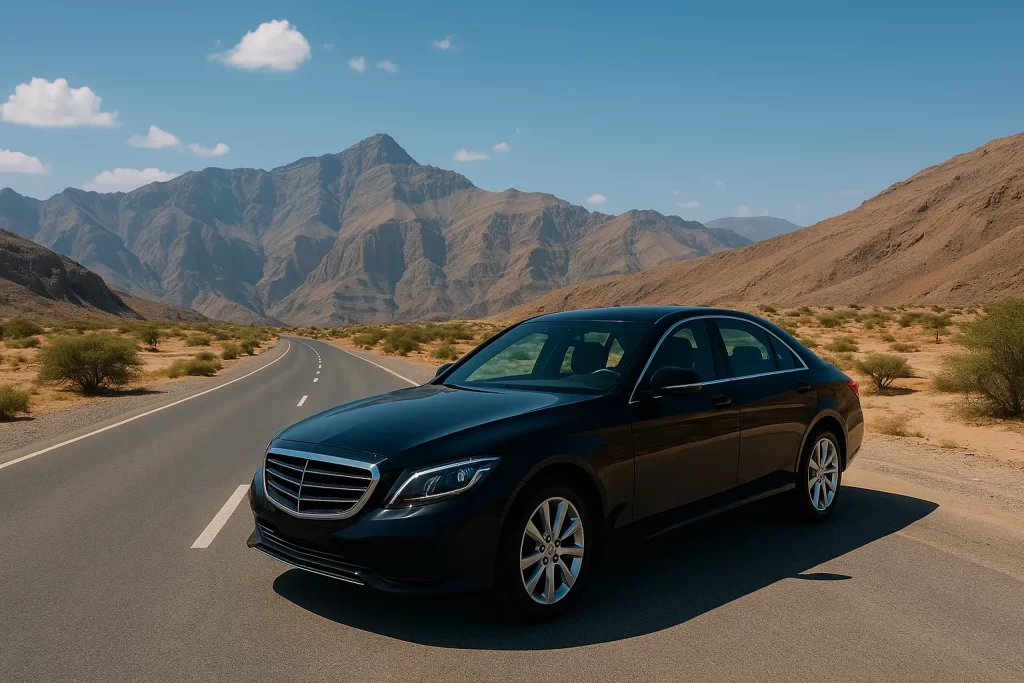
American tourists visiting the UAE often choose to rent a car for more freedom and comfort during their trip. While driving around is generally easy, understanding how fuel stations, toll systems, and parking rules work is important to avoid confusion or fines. Fuel stations work differently than in the U.S., and tolls like Salik are charged automatically without booths.
Parking also follows a strict paid system in many areas, especially in major cities like Dubai and Abu Dhabi. Being familiar with these systems helps save time and money. With a little preparation, tourists can enjoy smooth travel, whether heading to tourist spots, shopping malls, or hotels throughout the UAE’s modern and well-connected road network.
Understanding Fuel Stations in the UAE
How Fuel Stations Operate in the UAE
Fuel stations in the UAE are mostly full-service, which means attendants pump the fuel for you. This is different from what many American tourists are used to in the U.S., where self-service is common. Some stations also have self-service options, especially in busy cities like Dubai.
You’ll find stations open 24/7, especially along highways and near major areas. Major fuel providers include ADNOC, ENOC, Emarat, and EPPCO. Many stations also offer car washes, convenience stores, and restrooms, making them convenient stops during long drives.
Types of Fuel and What to Use
UAE fuel stations offer different fuel types, including Special 95, Super 98, E-Plus 91, and diesel. Most rental cars use Special 95, but it’s always best to confirm with your rental company or check the fuel cap label. Using the wrong fuel type can damage the engine and result in costly charges.
Compared to the U.S., fuel in the UAE is generally more affordable. Prices change monthly and are regulated by the government. Tourists should familiarize themselves with the names and octane levels to ensure they select the correct option when refueling.
Payment Methods Accepted at Stations
Fuel stations in the UAE accept a wide range of payment options, making it easy for American tourists. Credit and debit cards such as Visa and Mastercard are widely accepted. Some stations also accept mobile payments through Apple Pay or Samsung Pay.
While cash payments in UAE dirhams are still accepted, having a card is more convenient. Some locals use prepaid fuel cards like ADNOC Wallet or ENOC VIP Tag, but tourists typically don’t need them. Always confirm the total amount with the attendant before paying, and keep the receipt in case your rental company requires proof.
Navigating UAE Toll Systems (Salik)
What Is Salik and How It Works
Salik is Dubai’s electronic toll system used to collect toll charges without stopping vehicles. Unlike in the U.S., there are no toll booths, just toll gates placed on major roads. Each time a vehicle passes under a Salik gate, a fee of AED 4 (around $1.09) is automatically deducted. The system uses a prepaid RFID tag attached to the vehicle’s windshield.
These charges help reduce congestion and maintain road quality. There’s no need to stop or pay manually. For American tourists, it’s important to understand that the charges are tracked electronically and usually billed through the rental company afterward.
How Rental Cars Handle Salik Charges
Most rental cars in the UAE already come with a Salik tag installed on the windshield. Every time the car passes a toll gate, the charge is recorded and added to your rental account. These toll fees are usually itemized and included in your final invoice at the end of the trip.
Some rental agencies offer Salik-inclusive packages, while others charge per gate or per day. Make sure to ask your rental provider how Salik charges will be handled. Being aware of these costs helps avoid surprises on your bill and lets you budget more accurately for your trip.
Other Tolls Outside of Dubai (e.g., Darb in Abu Dhabi)
While Salik operates only in Dubai, other emirates like Abu Dhabi have their own toll systems. Abu Dhabi uses the “Darb” toll system, which works similarly but requires vehicle registration and pre-loaded balances. As a tourist, you usually won’t need to manage Darb directly—rental companies handle this for you.
However, if you plan to travel between emirates, confirm with your rental company whether tolls outside Dubai are included in your agreement. Unlike Salik, some intercity tolls may not be visible or clearly marked, so clarification upfront ensures smooth travel across emirates without unexpected charges.
Parking Systems in the UAE
Street Parking and Meter Zones
Street parking in major UAE cities like Dubai and Abu Dhabi is managed by municipal authorities and is typically paid. Parking areas are clearly marked with signboards indicating timings, fees, and zone codes.
Charges vary by zone but generally range from AED 2 to AED 10 per hour. Payment is enforced during specified hours, usually 8 AM to 10 PM, Saturday through Thursday. Parking is often free on Fridays and public holidays, but it’s best to check local signage. Exceeding the paid time or parking in unauthorized zones may result in fines, which can be automatically linked to the vehicle.
How to Pay for Public Parking
There are several ways to pay for street parking in the UAE. Tourists can use parking meters where available, but the most common methods are SMS-based payments (which require a local SIM) and mobile apps like the RTA Dubai app or Abu Dhabi’s Darb app. Some areas now offer QR code payments or touchscreen kiosks.
Payments are usually made by entering your car’s plate number, zone code, and time duration. Keep a screenshot or receipt in case of disputes. While systems are modern and user-friendly, tourists should take a moment to read the instructions on nearby signboards.
Mall and Hotel Parking Rules
Most shopping malls in the UAE offer free parking for a limited time, typically the first 2 to 4 hours. After that, hourly fees apply and can vary by mall. Valet parking services are common, especially at luxury malls and hotels, and may be complimentary or chargeable.
Hotels often provide underground or secure parking for guests, but always confirm whether it’s free or part of your room rate. Lost parking tickets at malls can result in steep penalties. Always keep your ticket safe and validate it if required at the payment machines before returning to your vehicle.
Tips for a Smooth Experience on UAE Roads
Keep Both Cash and Cards Ready
While most fuel stations, tolls, and parking systems accept cards, it’s still smart to carry some cash in UAE dirhams. Smaller shops, parking machines, or remote fuel stations may prefer or only accept cash. Having both cash and cards ensures you’re never stuck, especially during emergencies or in less urban areas. Always keep small denominations for convenience. This mix of payment options helps avoid delays, especially when paying parking meters or tipping service attendants at full-service fuel stations, hotels, or valet services.
Ask the Rental Company About Tolls and Parking
Before you hit the road, ask your rental provider how tolls like Salik and parking charges are handled. Some companies bill these fees at the end, while others offer prepaid packages. Get clarity on how charges are calculated and when they are due. Also, confirm whether your rental includes coverage for tolls in other emirates like Abu Dhabi. Understanding how these costs are processed avoids unexpected charges and lets you plan your budget better. A well-informed start with your rental car can prevent confusion later during your trip.
Save Locations for Fuel Stations and Parking
Use Google Maps or Waze to save the nearest fuel stations, parking zones, and car parks around your hotel or major attractions. This is especially useful in busy areas like Dubai Marina, Downtown Dubai, or Abu Dhabi Corniche, where parking can be limited. Saving these spots in advance can help you navigate faster and avoid circling around during peak hours. You can also check fuel prices, opening hours, and services offered at each station. Planning ahead makes driving more relaxed and efficient, especially in unfamiliar areas.
Understand Road Signs and Driving Rules
UAE road signs are in English and Arabic, so they’re easy for American tourists to follow. Still, it’s important to understand common signs, speed limits, and lane rules. Speeding is strictly enforced with radar cameras, and violations result in automatic fines. Lane discipline is important; always keep right except when overtaking. Also, be cautious at roundabouts and yield signs, as driving styles can differ from what you’re used to. Knowing the local road culture helps you drive more confidently and reduces the risk of tickets or accidents.
Avoid Peak Traffic Times in Major Cities
Dubai and Abu Dhabi can get extremely congested during rush hours, typically from 7:30–9:30 AM and 5:00–8:00 PM. Try to plan your travel around these times to avoid long delays. Apps like Google Maps or RTA Dubai provide real-time traffic updates and suggest alternate routes. If you’re heading to the airport, shopping malls, or popular tourist areas, give yourself extra time. Parking is also harder to find during these hours. Avoiding peak traffic not only saves time but also reduces stress while driving in a new country.
Know Emergency Numbers and Contacts
Always keep a list of emergency numbers saved in your phone and written down in the car. Key contacts include the rental agency, local police (999), ambulance (998), and roadside assistance services. Many rental companies offer 24/7 helplines, make sure you know how to reach them. In case of an accident, stay calm, contact the police immediately, and follow legal procedures. Having these numbers ready helps you get help quickly and ensures your trip stays on track, even if an issue arises on the road.
Useful Mobile Apps for American Tourists
|
App Name |
Purpose |
Availability |
| RTA Dubai | Pay for parking, check fines, top up Salik, plan metro/bus trips | Android & iOS |
| Salik App | View toll charges, recharge Salik balance, manage account | Android & iOS |
| Dubai Drive | Navigation, Salik info, parking services, fine payment | Android & iOS |
| ADNOC Distribution | Find fuel stations, pay for fuel, track receipts, loyalty rewards | Android & iOS |
| ENOC App | Locate ENOC stations, pay fuel bills, manage purchases | Android & iOS |
| Google Maps | Real-time navigation, traffic updates, fuel station and parking locations | Android & iOS |
| Waze | GPS navigation with crowd-sourced traffic and hazard alerts | Android & iOS |
| Darb Abu Dhabi | Pay tolls in Abu Dhabi, check traffic conditions, view toll history | Android & iOS |
Summary
Driving in the UAE is a convenient option for American tourists, but understanding how to handle fuel stations, toll systems like Salik, and parking is essential for a smooth experience. Fuel stations are mostly full-service and accept cards or cash. Salik tolls are automatically charged through windshield tags and billed by rental companies. Street parking is paid and enforced, with payment options including apps, SMS, and meters.
Tourists should check with their rental provider about toll and parking charges, save fuel station and parking locations, and avoid peak traffic times. Using helpful mobile apps like RTA Dubai, Salik, and Google Maps can make navigating easier. With a little preparation, tourists can drive confidently and enjoy hassle-free travel across the UAE.